Hotel Housekeeping and Bed Making Japanese Vocabulary (For Beginners in Japan)
Please support us by sharing!

This blog is for foreigners, students, and beginners in Japanese who want to work part-time in Japan as
hotel housekeeping staff (客室清掃) or in bed making (ベッドメイキング).
Hotel cleaning work is often simple and repetitive, but staff communication is usually done in Japanese. Knowing the most common
words helps you understand instructions faster, avoid mistakes, and work more confidently.
In this guide, you will find hotel housekeeping vocabulary grouped by category, and we will also include
simple example sentences used in real hotel work situations.
Also, if you are applying for a part-time job in Japan, the first thing you need is a proper Japanese resume (履歴書 – rirekisho).
Japan has a very specific resume format, so make sure you follow the standard structure. You can create your resume easily here:
Create Your Japanese Rirekisho Online
.
Hotel Housekeeping Vocabulary (By Category)
Each row shows: Image + Meaning, Japanese word, Romaji, and Hiragana reading.
On mobile, you can scroll the table left/right.
You can also click on the image to view a larger preview and see more details clearly.
Bed Making Vocabulary
| Image + Meaning | Japanese | Romaji | Hiragana |
|---|---|---|---|
| — Bed |
ベッド | beddo | べっど |
| — Mattress |
マットレス | mattoresu | まっとれす |
| — Bed sheet |
シーツ | shiitsu | しーつ |
| — Pillow |
枕 | makura | まくら |
| — Pillow cover |
枕カバー | makura kabaa | まくらかばー |
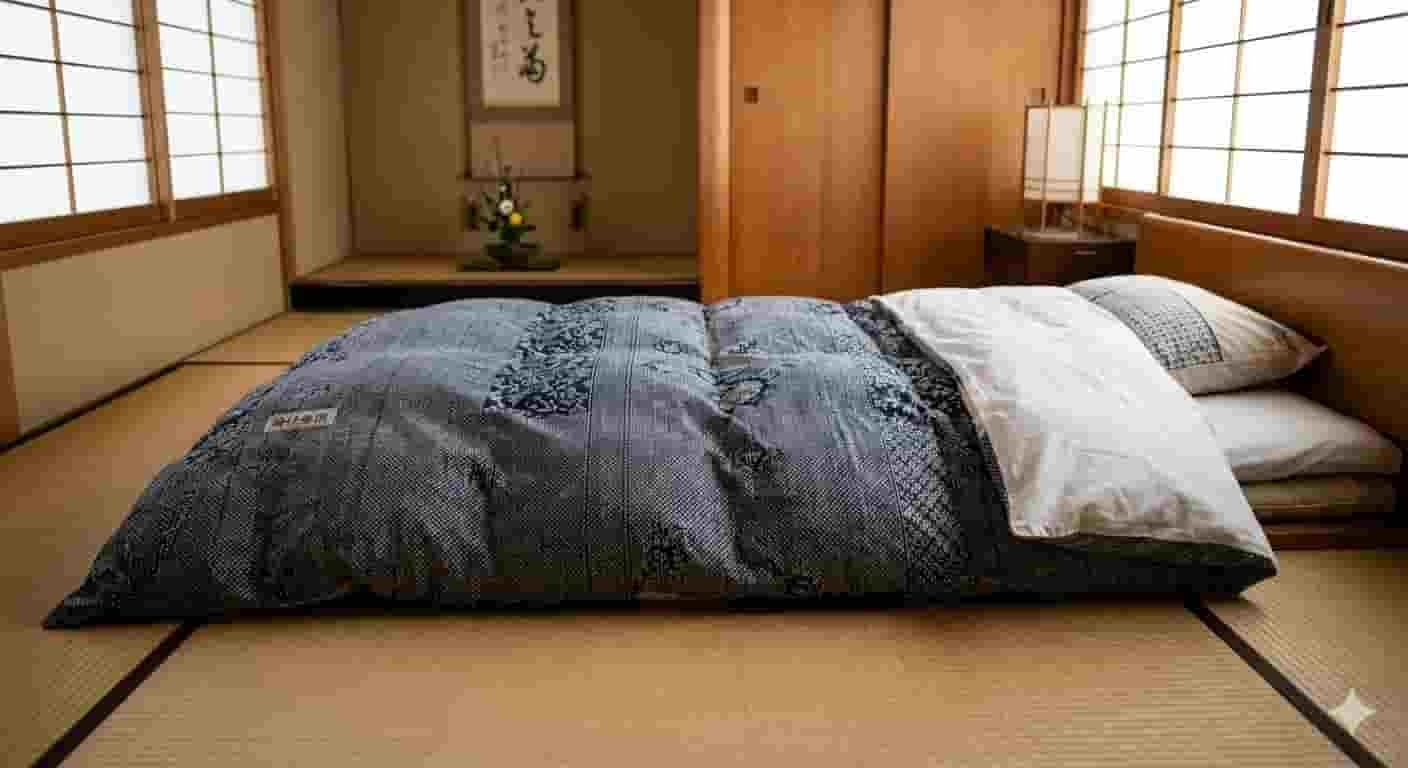
Duvet / comforter
|
掛け布団 | kakebuton | かけぶとん |
| — Blanket |
毛布 | moufu | もうふ |
| — Bed cover |
ベッドカバー | beddo kabaa | べっどかばー |
| — Linen |
リネン | rinen | りねん |
| — To fold |
たたむ | tatamu | たたむ |
| — To replace / change |
交換する | koukan suru | こうかんする |
| — To arrange / fix neatly |
整える | totonoeru | ととのえる |
Room & Area Vocabulary
| Image + Meaning | Japanese | Romaji | Hiragana |
|---|---|---|---|
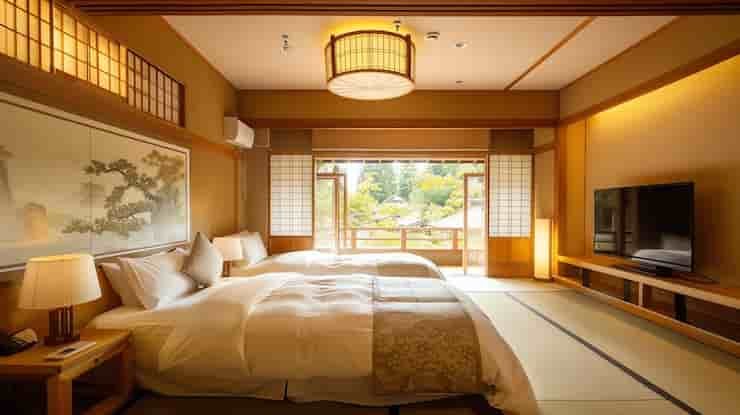
Guest room
|
客室 | kyakushitsu | きゃくしつ |
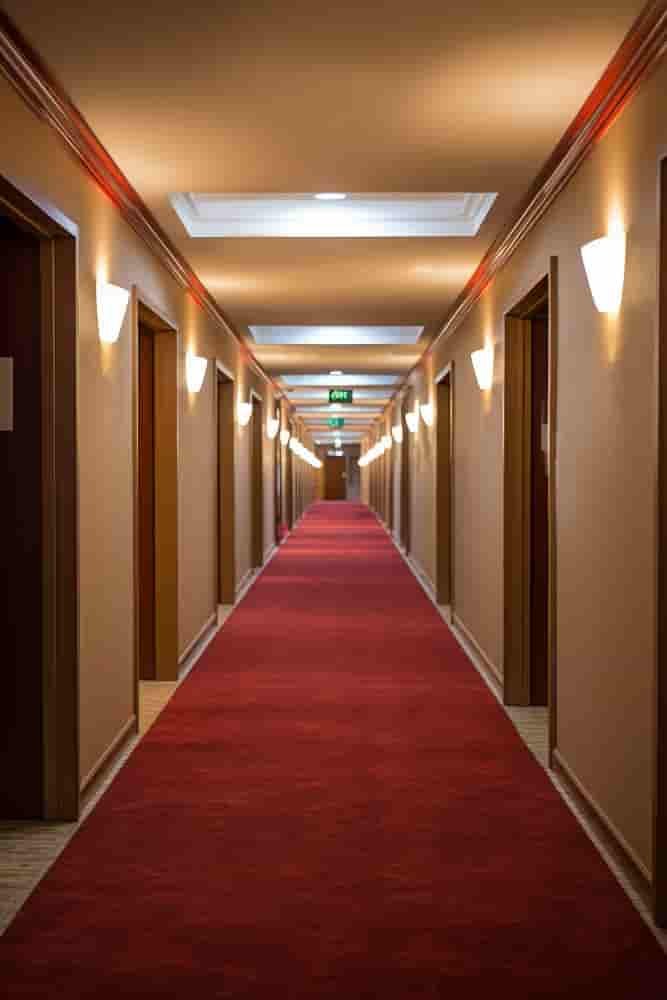
Hallway
|
廊下 | rouka | ろうか |
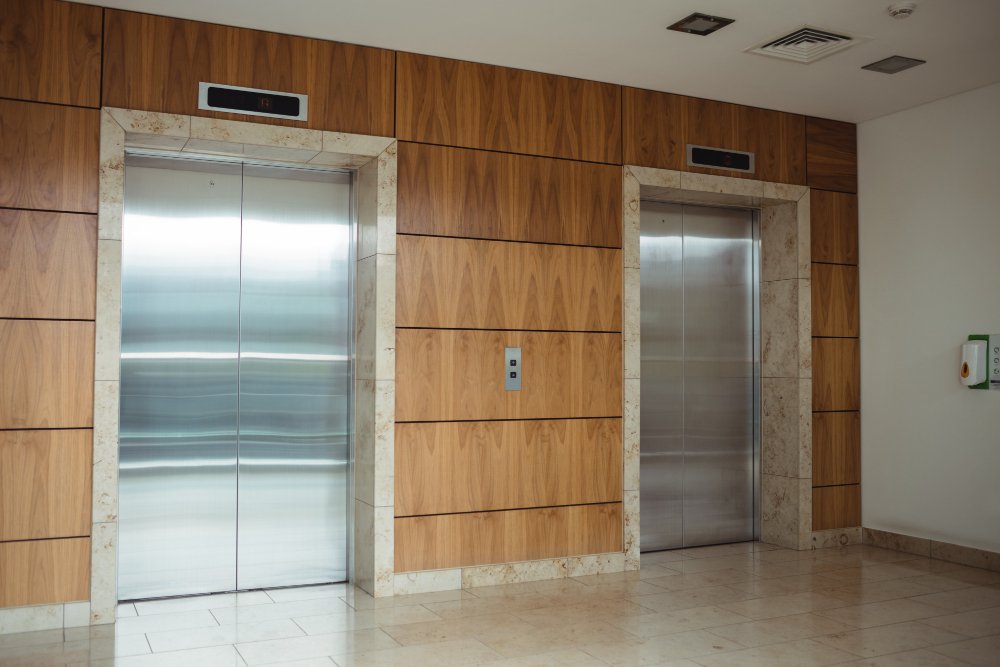
Elevator
|
エレベーター | erebeetaa | えれべーたー |

Door
|
ドア | doa | どあ |
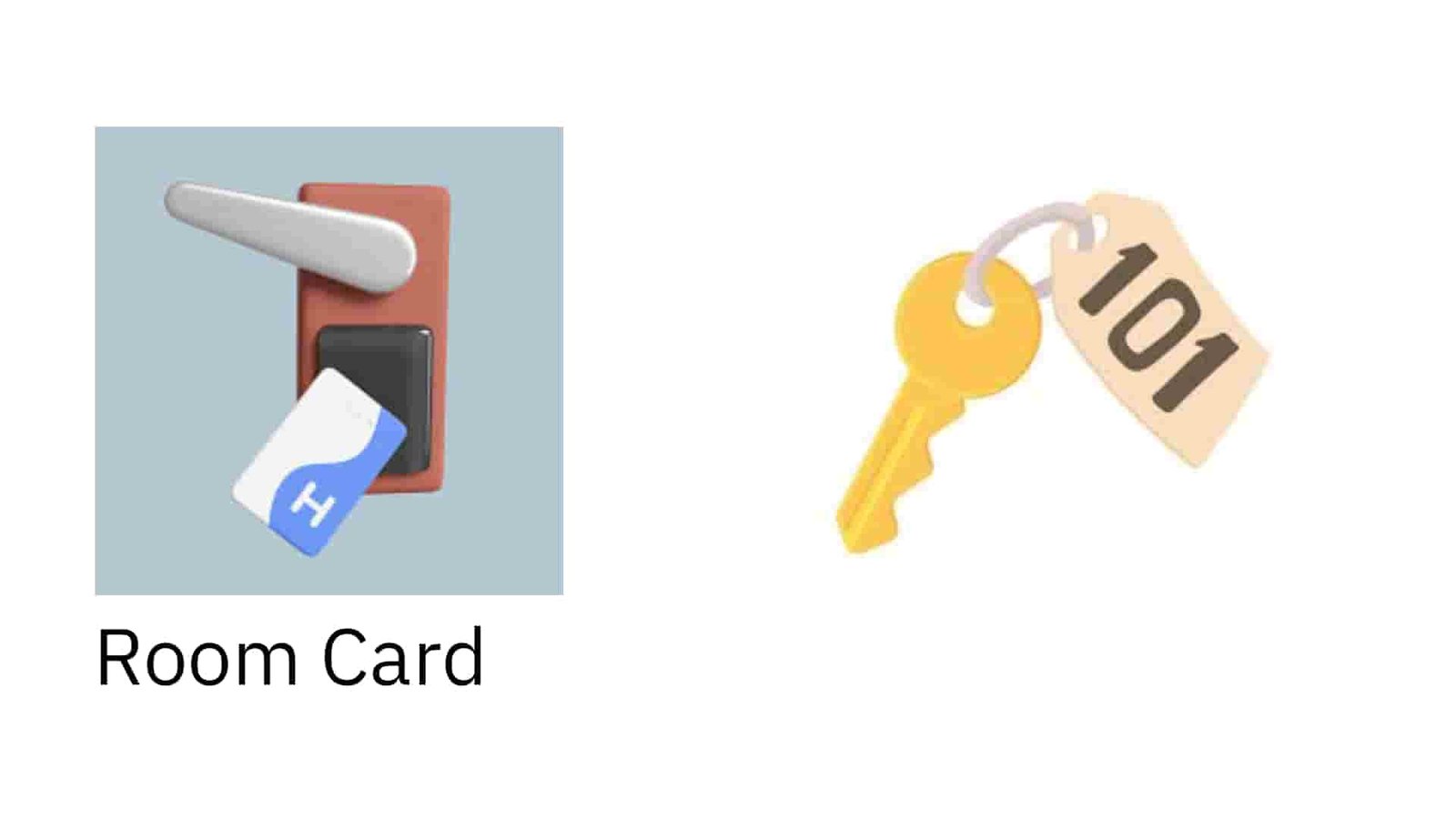
Room key / key card
|
ルームキー | ruumu kii | るーむきー |

Bathroom
|
浴室 | yokushitsu | よくしつ |
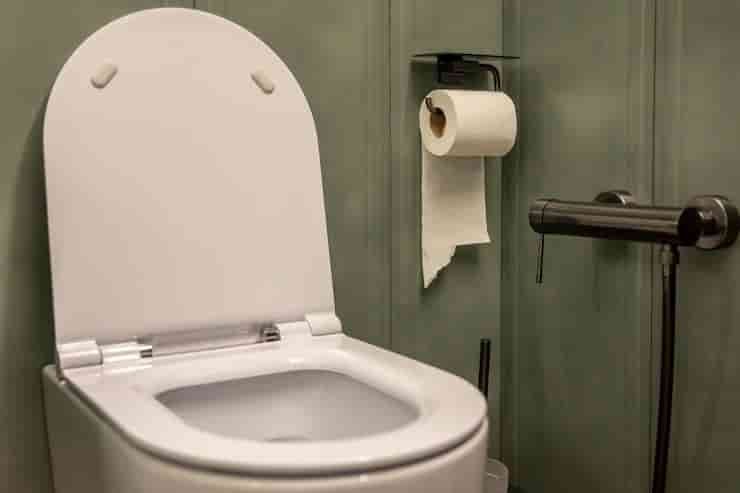
Toilet
|
トイレ | toire | といれ |
| — Shower |
シャワー | shawaa | しゃわー |
| — Bathtub |
浴槽 | yokusou | よくそう |
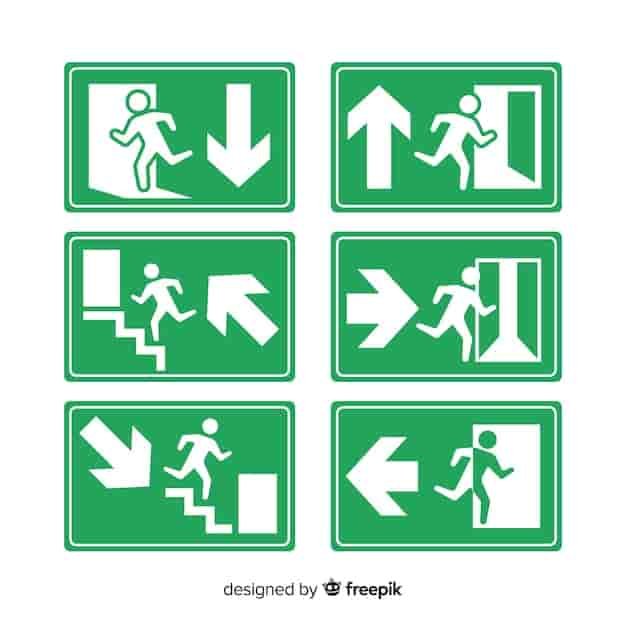
Emergency exit
|
非常口 | hijouguchi | ひじょうぐち |
| — Lobby |
ロビー | robii | ろびー |

Front desk
|
フロント | furonto | ふろんと |
| — Entrance |
入口 | iriguchi | いりぐち |
| — Exit |
出口 | deguchi | でぐち |
| — Stairs |
階段 | kaidan | かいだん |
| — Emergency stairs |
非常階段 | hijou kaidan | ひじょうかいだん |
| — Hotel floor (level) |
階 | kai | かい |
| — Guest room floor |
客室フロア | kyakushitsu fu roa | きゃくしつふろあ |
| — Service room / staff room |
スタッフルーム | sutaffu ruumu | すたっふるーむ |
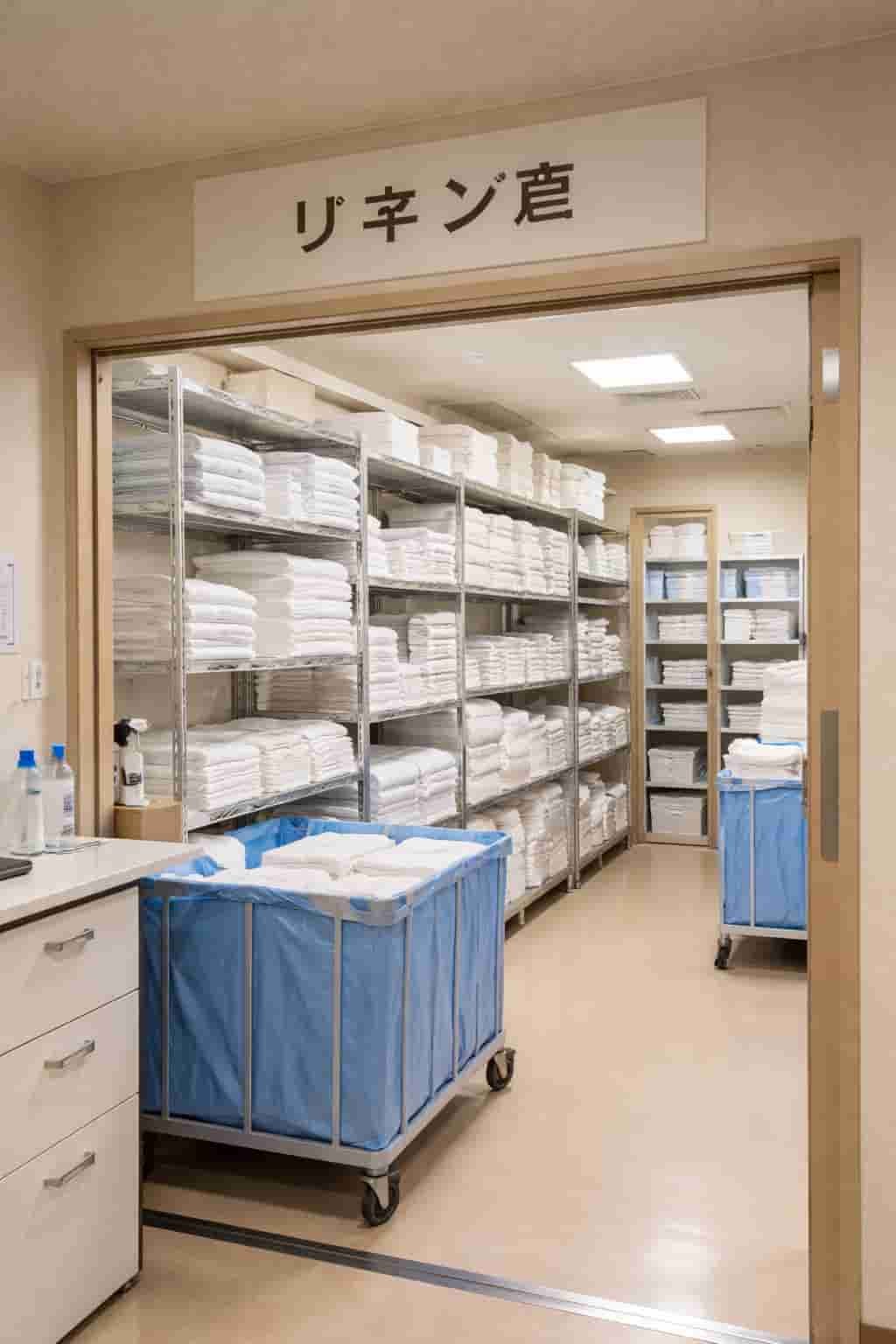
Linen room
|
リネン室 | rinen shitsu | りねんしつ |
| — Storage room |
倉庫 | souko | そうこ |
| — Laundry room |
ランドリー室 | randorii shitsu | らんどりーしつ |
| — Parking lot |
駐車場 | chuushajou | ちゅうしゃじょう |
Cleaning Tools Vocabulary
| Image + Meaning | Japanese | Romaji | Hiragana |
|---|---|---|---|
| — Vacuum cleaner |
掃除機 | soujiki | そうじき |

Cleaning cart
|
清掃カート | seisou kaato | せいそうかーと |
| — Mop |
モップ | moppu | もっぷ |
| — Broom |
ほうき | houki | ほうき |
| — Dustpan |
ちりとり | chiritori | ちりとり |
| — Bucket |
バケツ | baketsu | ばけつ |
| — Sponge |
スポンジ | suponji | すぽんじ |
| — Cleaning cloth |
雑巾 | zoukin | ぞうきん |
| — Gloves |
手袋 | tebukuro | てぶくろ |
| — Mask |
マスク | masuku | ますく |
| — Spray bottle |
スプレー | supuree | すぷれー |
Cleaning Supplies Vocabulary
| Image + Meaning | Japanese | Romaji | Hiragana |
|---|---|---|---|
| — Detergent |
洗剤 | senzai | せんざい |
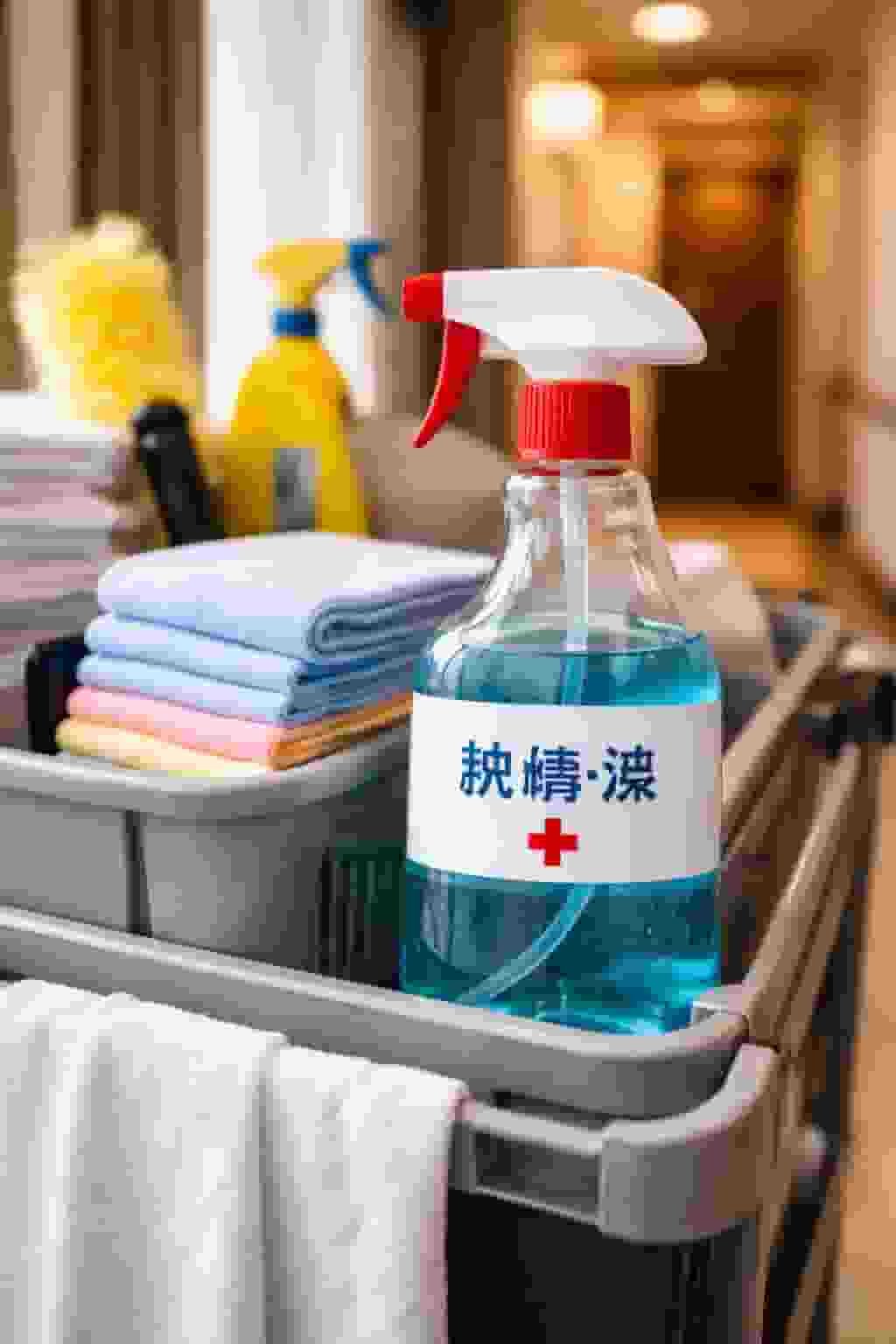
Cleaning cart
|
消毒液 | shoudokueki | しょうどくえき |
| — Glass cleaner |
ガラスクリーナー | garasu kuriinaa | がらすくりーなー |
| — Toilet cleaner |
トイレ用洗剤 | toire you senzai | といれようせんざい |
| — Trash bag |
ゴミ袋 | gomibukuro | ごみぶくろ |
| — Amenities |
アメニティ | ameniti | あめにてぃ |
| — Soap |
石けん | sekken | せっけん |
| — Shampoo |
シャンプー | shanpuu | しゃんぷー |
| — Conditioner |
コンディショナー | kondishonaa | こんでぃしょなー |
| — Tissue paper |
ティッシュ | tisshu | てぃっしゅ |
Cleaning Actions Vocabulary
| Image + Meaning | Japanese | Romaji | Hiragana |
|---|---|---|---|
| — To clean |
清掃する | seisou suru | せいそうする |
| — To wipe |
拭く | fuku | ふく |
| — To polish |
磨く | migaku | みがく |
| — To throw away |
捨てる | suteru | すてる |
| — To tidy up |
片付ける | katazukeru | かたづける |
| — To refill |
補充する | hojuu suru | ほじゅうする |
| — To check |
確認する | kakunin suru | かくにんする |
| — To report |
報告する | houkoku suru | ほうこくする |
| — To complete |
完了する | kanryou suru | かんりょうする |
| — To start |
始める | hajimeru | はじめる |
Room Status Vocabulary
| Image + Meaning | Japanese | Romaji | Hiragana |
|---|---|---|---|
| — Check-in |
チェックイン | chekku in | ちぇっくいん |
| — Check-out |
チェックアウト | chekku auto | ちぇっくあうと |
| — Occupied |
使用中 | shiyouchuu | しようちゅう |
| — Vacant room |
空室 | kuushitsu | くうしつ |
| — Needs cleaning |
清掃必要 | seisou hitsuyou | せいそうひつよう |
| — Do not disturb |
起こさないでください | okosanaide kudasai | おこさないでください |
Staff Communication Vocabulary
| Image + Meaning | Japanese | Romaji | Hiragana |
|---|---|---|---|
| — Supervisor |
上司 | joushi | じょうし |
| — Manager |
マネージャー | manejaa | まねーじゃー |
| — Staff |
スタッフ | sutaffu | すたっふ |
| — Work shift |
シフト | shifuto | しふと |
| — Overtime |
残業 | zangyou | ざんぎょう |
| — Break time |
休憩時間 | kyuukei jikan | きゅうけいじかん |
| — Uniform |
制服 | seifuku | せいふく |
| — Team leader |
リーダー | riidaa | りーだー |
| — Front desk |
フロント | furonto | ふろんと |
| — Housekeeping department |
客室係 | kyakushitsu gakari | きゃくしつがかり |
| — Report |
報告 | houkoku | ほうこく |
| — Contact / inform |
連絡 | renraku | れんらく |
| — Consult / discuss |
相談 | soudan | そうだん |
| — Instruction |
指示 | shiji | しじ |
| — Confirmation |
確認 | kakunin | かくにん |
| — Meeting |
ミーティング | miitingu | みーてぃんぐ |
| — Staff meeting |
朝礼 | chourei | ちょうれい |
Conclusion
Working in hotel housekeeping (客室清掃) or bed making (ベッドメイキング) in Japan can feel difficult at the beginning, especially if your Japanese level is still basic. However, most hotel tasks use repeated instructions and common vocabulary. Once you understand these key words, your confidence will grow quickly.
By learning the room names, cleaning tools, bed-making items, and simple work expressions listed in this guide, you can understand your supervisor’s instructions more clearly, communicate better with coworkers, and avoid small but common mistakes during busy shifts.
You don’t need perfect Japanese to start working. Even knowing simple words like 「シーツ」(shiitsu – sheets), 「枕(まくら / makura)」(pillow), 「交換(こうかん / koukan)」(change/replace), and 「確認(かくにん / kakunin)」(check/confirm) can make a big difference in your daily work performance.
Practice a few words every day, listen carefully to instructions, and don’t be afraid to politely ask when you don’t understand something. Step by step, your Japanese will improve — and your hotel work will become easier and more comfortable.